12 Pepper Growing Tips for New Gardeners
As an Amazon Associate, GrowJourney earns from qualifying purchases. Read more: terms of service.
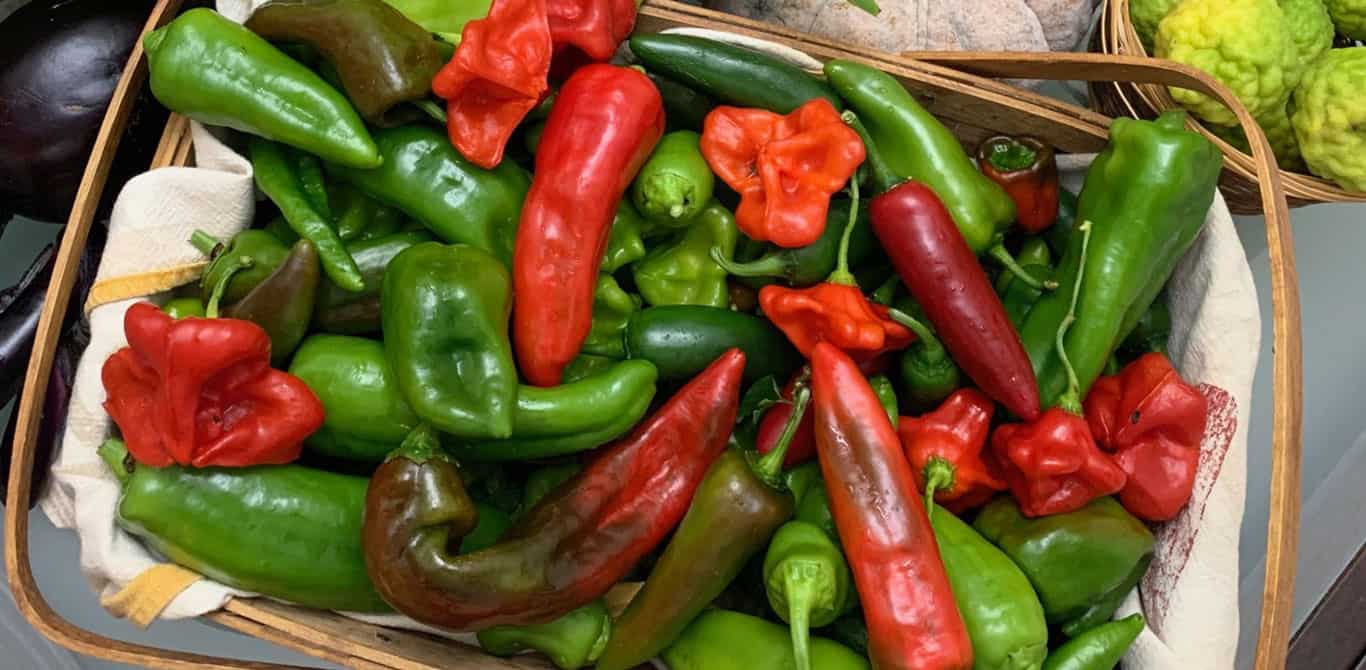
Whether you enjoy setting your mouth on fire with spicy capsaicin or you simply want to add a unique, sweet crunch to a garden salad, peppers are the plant for you. These highly versatile fruits (yes, peppers are technically a fruit!) are one of the most popular garden plants in the world for good reason.
Thankfully, pepper plants are also fairly easy to grow in most climates — especially if you use the tips in this article!
12 pepper growing tips
Here are twelve essential tips to help new gardeners grow healthy, productive pepper plants:
1. Choose the right pepper varieties
Not all peppers varieties grow the same way. Beginners should start with relatively easy-to-grow varieties like bell peppers, jalapeños, or banana peppers — ideally ones that are well-suited for their specific climate.
Peppers grow best when they have a long, hot growing season. From seed to harvest, you can expect the following days to maturity with peppers:
- 60-90 days for SWEET peppers
- 100-150 days for HOT peppers
If you live in a cooler climate (Zone 6 or below) you’re probably going to be limited to smaller-fruited pepper varieties since you don’t have as many warm days to ripen larger-fruited varieties. The folks at Morning Chores have a good list of nine pepper varieties that perform well in cold climates.
2. Start seeds indoors (if you’re not buying starts)
Pepper seeds need warmth to germinate and grow. In cooler climates, start seeds indoors 8-10 weeks before the last frost to get a big jumpstart on the season.
Also, use a quality organic seed starting mix, keep the soil temperature around 70-80°F, and provide adequate light for vigorous seedlings.
Related:
3. “Harden off” pepper seedlings before transplanting
Indoor grow lights or indirect sunlight through a window is never as intense as actual sunlight.
Therefore, before planting pepper seedlings outside (aka “transplanting”), gradually introduce them to outdoor sunlight. Start by placing them outside for a few hours a day, increasing the time over the course of a week. Once your seedlings are acclimated to the sun, they’re ready to be transplanted to their final spots in your garden!
If you don’t harden off your seedlings, they’re likely to be scalded or killed by the sun.
4. Pick a sunny, warm location
Peppers love heat and sun! Choose a garden spot with at least 6-8 hours of direct sunlight per day. If you live in a cooler climate, consider using a dark mulch to help warm the soil and/or use row covers to help extend your growing season.
5. Use well-draining, nutrient-rich soil
Peppers grow best in well-draining soil that’s rich in organic matter. Amend garden soil with compost or fully aged manure to improve fertility. A slightly acidic to neutral pH (6.2-7.0) is ideal, but the pH generally takes care of itself when you have healthy, biologically rich soil.
If you’re growing your pepper plants in pots or raised beds, we highly recommend Fox Farm’s potting soil.
If you live in cool climates, another benefit of growing peppers in pots is that you can move the pots indoors when temperatures cool. Technically, pepper plants are perennial plants that can live for years so long as they don’t freeze.
6. Space plants properly
Overcrowded pepper plants compete for nutrients and sunlight while reducing airflow. This can lead to less vigorous, slower-growing plants that are also more prone to disease.
So, space your pepper plants 18-24 inches apart to allow good air circulation and optimal growth.
7. Water consistently (but don’t overdo it)
Peppers need regular watering, especially in hot weather. Aim to keep the soil evenly moist but NOT soggy.
Water deeply 1-2 times a week for an average of 1″-2″ total water per week, rather than shallow, frequent watering. Your aim is encourage deep root growth. And if you have a heavy thunderstorm, don’t forget to turn off your irrigation until the soil dries out a bit!
More mature pepper plants with established, deep root systems can tolerate less water than young pepper plants.
8. Mulch to retain moisture and suppress weeds
Applying mulch around the base of pepper plants helps retain soil moisture, regulate temperature, and reduce weed competition. Organic mulches like wood chips, straw, grass clippings, or shredded leaves work well.
Try to ensure your mulch doesn’t contain seeds, which can be the case with mulches like grass clippings and straw.
9. Support tall or heavy pepper plants
Some pepper varieties, especially those with heavy fruit loads, will require staking or caging as they grow. This prevents branches from breaking under the weight of the fruit or plants blowing over during storms.
Here’s how you can make your own long-lasting plant cages to fit any size plant, including peppers.

10. Fertilize wisely
Peppers benefit from balanced nutrition throughout the growing season. In addition to amending the soil with compost or manure when planting, you may need to top-dress a quality, lower-nitrogen fertilizer around your plants a month or two after planting — or any time you notice stunted growth or yellowing leaves.
Too much nitrogen can cause excessive leaf growth at the expense of fruit production, plus it can also increase pest insect pressure.
11. Keep an eye out for pests and diseases
Good news: peppers tend to be far more pest- and disease-resistant than other common garden plants like tomatoes. However, they can still be damaged by common pepper pests like aphids, spider mites, and cutworms (when they’re seedlings).
Inspect your pepper plants regularly and use natural pest control methods, such as hand-removal or applying neem oil. Also note that proper spacing and airflow help prevent fungal diseases, so follow the spacing instructions on your seed packet or container — or use the general 18-24″ spacing rule mentioned in #6 above!
12. Harvest regularly to encourage more fruit
Pick peppers regularly to encourage continuous production from your plants. However, if you pick your peppers too early, you sacrifice sweetness and flavor. So you’ll have to get to know your peppers a bit to time harvesting just right.

Also, be sure to harvest all the peppers from your plants before the first frost or freeze, or the fruit will be damaged beyond edibility. Then the problem becomes what to do with a giant bucket of peppers!
Don’t worry, we have you covered there as well. Please read 6 creative ways to use up lots of peppers.
By following these tips, new gardeners can enjoy a successful pepper-growing season with a bountiful harvest. Happy growing!