Seeds not sprouting? 15 reasons why & how to fix it!
As an Amazon Associate, GrowJourney earns from qualifying purchases. Read more: terms of service.
Seeds not sprouting? No problem!
In this article, we’ll help you figure out why your seeds aren’t germinating AND what you can do to fix the problem.
Important context:
Before you try to diagnose why your seeds aren’t germinating using the information below, something you should know is that different types of seeds have unique germination requirements. This fact is something many inexperienced and first time gardeners don’t realize.
Thus, it’s always a good idea to follow the specific seed sowing instructions on your seed packets (or online catalogue) so you get the basic germination requirements of the particular seed variety you’re growing correct.
15 reasons why your seeds are not sprouting — and how to fix it!
Below are 15 reasons why your seeds might not be germinating, plus tips on how to fix each of the problems listed.
1. Not enough time.
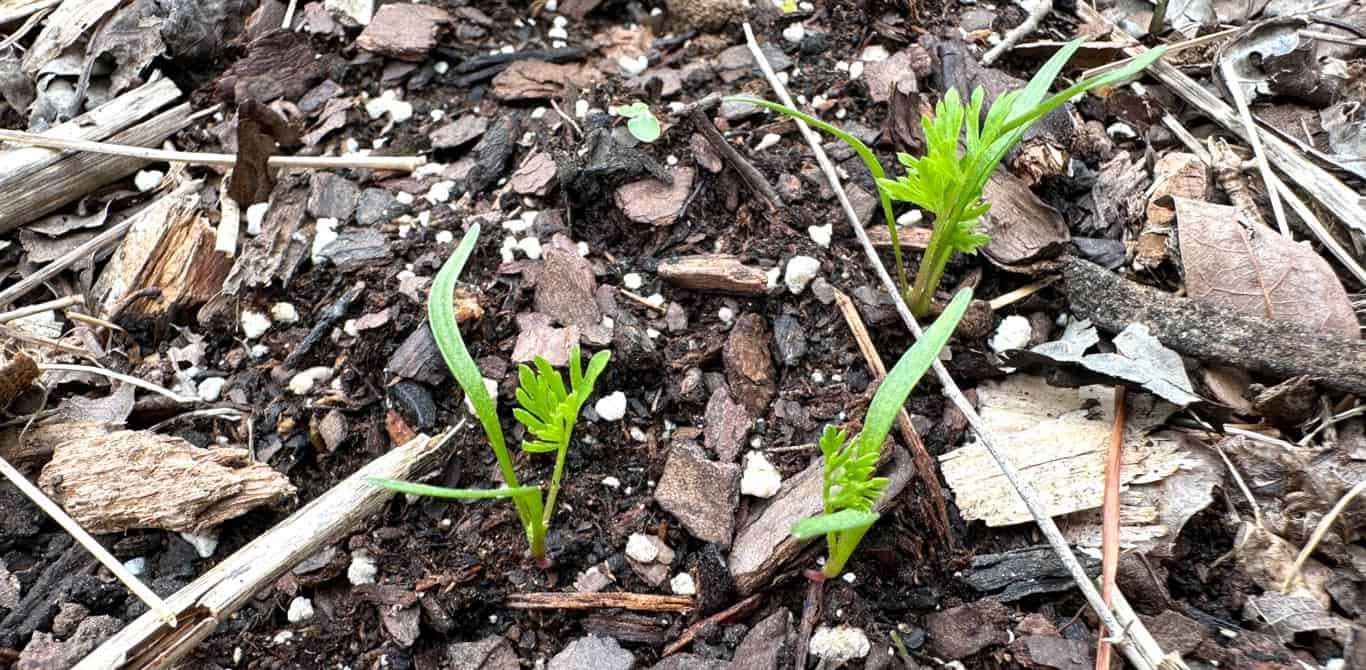
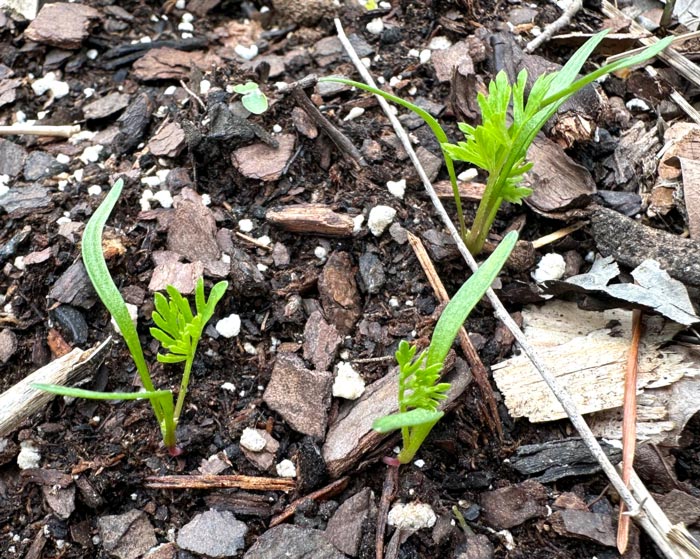
Many newer gardeners freak out when their newly sown seeds haven’t sprung from the soil shortly after planting. However, even under ideal conditions, the most fast-germinating garden seeds will take at least a few days to germinate. Some seed varieties can even take multiple weeks to germinate!
For instance, you might be waiting three weeks for your parsley and celery to germinate. However, most popular garden seeds germinate within a week or so.
Fix it tips:
If you’re doing everything right (as per the other items on this list), then:
- look up the “days to germination” for the seed type you’re growing, and
- be patient if you’re still within the normal days-to-germination range.
2. Soil temperature too cool.
Warm season crop seeds require warm soil temperatures to germinate. Exactly how warm varies by seed.
For instance, popular nightshade fruits like tomatoes and ground cherries germinate best in soil temperatures between 75° – 85°F. Thus, trying to start these types of seeds indoors at room temperature is not ideal — unless you keep your house REALLY warm!
Fix it tips:
- Indoors – The best way to germinate warm season seeds indoors in your house is to use a seedling heat mat under your seed trays.
- Outdoors – For warm season seeds which are typically direct sown (examples: beans, squash, maize/corn), make sure you’re sowing them late enough that the soil temps are adequately warm. Row covers can also help boost soil temperatures and maintain heat on cool nights. If in doubt, use a soil thermometer.
3. Soil temperature too warm.
Cool season crops typically need cooler temperatures to germinate. For example, if you try to start carrot, cilantro, or mache/corn salad seeds indoors on a heat mat or sow them directly in garden soil that’s above 70°F (21°C), you’re not going to have great germination success.
Fix it tips:
- Indoors – If you’re starting cool weather seeds indoors, don’t use a heating mat – and be mindful of radiant heat from sunny windows or older fluorescent grow lights (LEDs don’t emit as much heat).
- Outdoors – When direct sowing cool season seeds outdoors into your garden, sow in the proper growing season.
4. Soil too wet.
Waterlogged soil can rot seeds before they germinate or cause them to die shortly after germination. The ideal soil moisture level for optimal seed germination is akin to a well wrung-out sponge: slightly damp but not wet or dry.
Fix it tips:
- Indoors – Try to maintain consistent soil moisture as you wait for your seeds to germinate. More frequent light watering (ideally with a hand mister) is better than infrequent heavy watering. If you’re prone to forgetfulness, set a recurring timer/alert to help maintain a consistent watering schedule. Also, use a spray bottle to gently water to prevent dislodging seeds (especially surface-sown seeds).
- Outdoors – You can’t control the rain, but you can control your irrigation so don’t use too much water. Try to maintain lightly dampened soil in your beds as your seeds germinate. Also, be sure your sprinkler or hose sprayer is not directing a hard spray on the soil surface that could dislodge seeds.
5. Soil too dry.
The opposite extreme of #4: seeds will not germinate in dry soil. Moisture is an essential cue that helps initiate the seed germination process.
Fix it tips: Same as #4 above.
6. Old seeds or seeds are out of germination.
Seeds lose viability over time, especially if they are old, improperly stored, and/or exposed to moisture during storage. How do you know if your seeds are out of germination? Unfortunately, most seed packets don’t come with an expiration date.
High Mowing Seeds has a good seed viability chart that tells you how many years common garden seeds are viable.
Fix it tip:
Purchase high quality, fresh seeds from a reputable seed company. Store saved / leftover seed in a cool, dry & dark place indoors inside an airtight container or plastic bag. Also, when saving your own seeds, be sure to label them with the seed type and year they were harvested.
7. Seeds buried too deep.
Each type of seed has a preferred sowing depth. Seeds buried too deep might not germinate at all. Or they might germinate but be unable to reach the soil surface.
Fix it tip: As a general rule, larger seeds need to be buried deeper than smaller seed types, but you should always follow the recommended sowing depth for the particular type of seed you’re planting. This information can be found on the seed packet or via online catalogue/website. If you’ve already planted seeds too deep, you may be able to scrape off some of the soil to achieve ideal depth.
8. Seeds not buried.
If you surface-sow certain types of seeds that require burying to germinate, you’re not going to have much luck. That’s because those seeds need some combination of darkness and consistent moisture levels over the entire seed coating in order to germinate.
Fix it tip: Follow the sowing depth instructions on your seed packet. If you’ve surface-sown seeds that require burying, you can either add additional soil media over the top of them or push them into the soil to achieve ideal depth.
9. Improper light conditions provided.
Some seeds (examples: lettuce and basil) actually require light to germinate, so they need to be surface-sown, not buried. Then they’ll need daily exposure to either natural sunlight or an indoor grow light (LED or fluorescent lights work fine).
(Related: Check out our DIY grow light article.)
However, other seed types need darkness in order to germinate. Exposure to sunlight will actually keep them in a dormant stage.
Fix it tip:
Follow the specific instructions on your seed packet; press surface-sown seeds onto the soil surface without covering them. If you’re planting light-dependent seeds, make sure they’re getting enough light to germinate. Note that these types of seeds may also require more frequent misting in order to germinate since they won’t be covered in wet soil.
10. Seeds not cold stratified.
Some seeds have natural dormancy mechanisms that prevent them from germinating until specific conditions are met. For instance, some seeds have to be “cold stratified” so the seed experiences enough chill hours / exposure to cold temperatures necessary to trigger its “I made it through winter now it’s time to sprout” mechanism.
Fix it tip:
Follow any seed-specific stratifying instructions as needed to subject them to whatever period of cold or warm temperatures they need in order to germinate.
11. Wrong growing medium.
One common mistake many new gardeners make is using standard garden soil in their seed starting cells or potted plants. Then, the garden soil quickly becomes like a brick inside the cell/container, preventing seed germination or killing the plant.
Fix it tips:
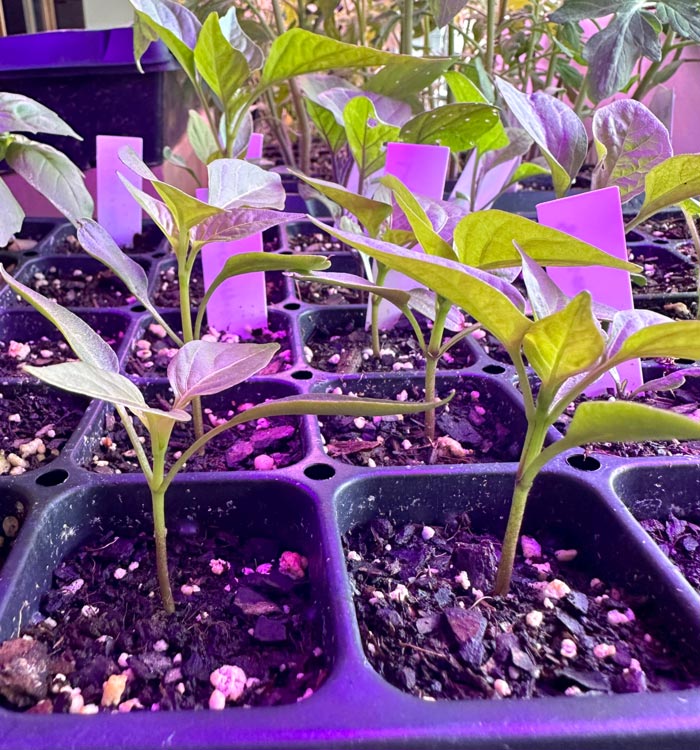
- Indoors – When starting seeds in cells, make sure to use a quality seed starting mix. This product has the correct blend/ratio of ingredients necessary to prevent soil compaction while also providing adequate nutrition and beneficial microbes that developing seedlings need.
- Outdoors – Prepare a proper “seed bed” for your seedlings with 1-2″ thick layer of quality compost or worm castings prior to sowing.
12. Pests ate your seeds.
Seeds may be damaged or consumed by pests such as birds, rodents, or insects. The same is true for new seedlings! Obviously, this is more likely to be a problem for outdoor-sown seeds than seeds you start indoors.
Fix it tip:
Protect seeds from pests by using barriers, deterrents, or protective covers.
13. Fungal disease.
Certain types of fungi can kill seeds prior to or during germination. Some fungi can also kill young seedlings via a phenomenon called “damping off.” These fungal infections are usually initiated by some combination of:
- too much moisture / overwatering,
- inadequate airflow,
- lack of light, and/or
- reusing contaminated containers that aren’t sanitized.
Fungal diseases like damping off don’t tend to be a problem for outdoor-sown seeds or seedlings unless there are unusually heavy rains, over-irrigation, and/or poor-draining soil.
Also note that not all fungi are bad for seeds / seedlings! In fact, most aren’t and you want mycorrhizal fungi in your soil since these symbiont organisms make your plants stronger.
Fix it tips:
- Use a quality seed starting mix in sanitized trays.
- Don’t over-water your soil prior to seed germination.
- Avoid using a humidity dome over your seed trays.
- Keep seed trays in areas with good airflow.
- Use grow lights to help solarize soil surface to prevent pathogenic fungi proliferation.
14. Allelopathy from other plants.
Many plants synthesize and exude chemicals into the soil to help reduce or prevent competition from other plants. One of the more well-known examples is the chemical juglone produced by walnut and hickory trees which prevents seed germination while also weakening or killing certain other species of plants.
However, even some common edible annual garden plants can exude allelopathic chemicals into the soil which can inhibit future seed germination or plant growth. Examples: sweet potatoes and sunflowers.
Fix it tip:
Don’t sow too closely to perennials with known allelopathic effects. If sowing in soil where plants like sweet potatoes or sunflowers were previously grown, either: a) allow multiple months for the chemicals to degrade, and/or b) top-dress the beds with 2-3″ of compost or worm castings when preparing the seed bed.
15. Herbicide exposure.
Many common synthetic herbicides (including glyphosate, the primary ingredient in Roundup) also prevent or inhibit crop seed germination. So if you (or a neighbor) has recently applied herbicide to areas near your garden beds, there’s a good chance it could also cause problems for your garden seed germination.
This problem can also occur if you use straw/hay mulch that has heavy herbicide residue on it.
Fix it tip:
Avoid using synthetic herbicides and try to ensure that you don’t bring herbicide-contaminated mulches into your garden beds.
We hope this article helps you figure out why your seedlings aren’t germinating AND what you can do to fix the problem moving forward.
Happy gardening!