

20+ best vegetables to grow in your fall and winter garden
As an Amazon Associate, GrowJourney earns from qualifying purchases. Read more: terms of service.
What are the easiest garden plants to grow in the fall and winter? In this article, you’ll find out how to select the best cool-season crops to keep fresh, homegrown produce on your table no matter how cold and dreary it is outside!

For most people, gardening is a seasonal activity. We dig our tools out of storage in early spring and put them away for the winter around the time mountains of autumn leaves start piling up. (Side note: those leaves make great soil and help native insects, so don’t toss them!) Not so fast! Instead of spending your fall and winter gardening months thumbing through seed catalogs and sipping cups of hot cocoa, you could actually be gardening… That’s right, unless you garden where the weather consists of punishing cold sub-zero temperatures for weeks on end, you can raise vegetables straight through, from fall until spring.
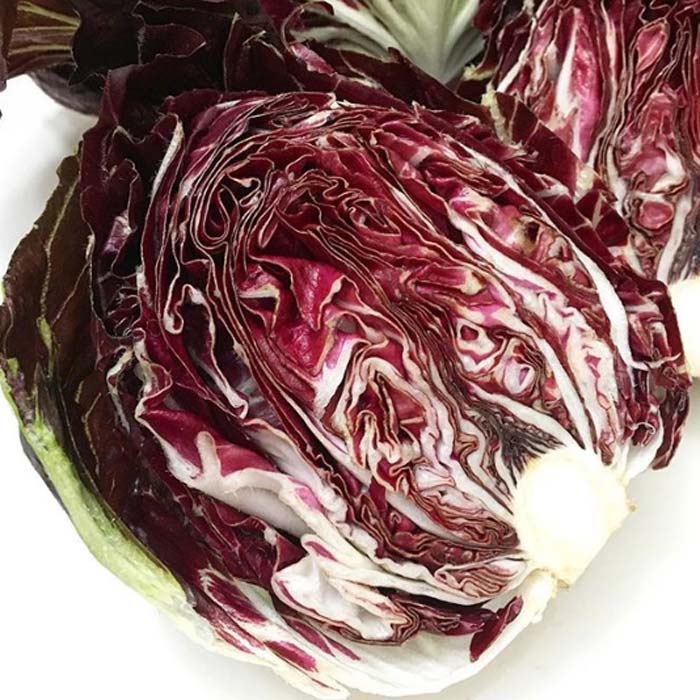
Gardening throughout fall and winter?
You don’t need to be a master gardener to grow vegetables during the cold months. In fact, cool-season gardening is a great time for new gardeners as well as those with years of growing experience. That’s because fall and winter gardening can actually be easier than spring and summer gardening due to:
- Reduced pest insect pressure – Most insect pests are safely tucked away until spring, meaning you don’t have to stress about insects eating your plants.
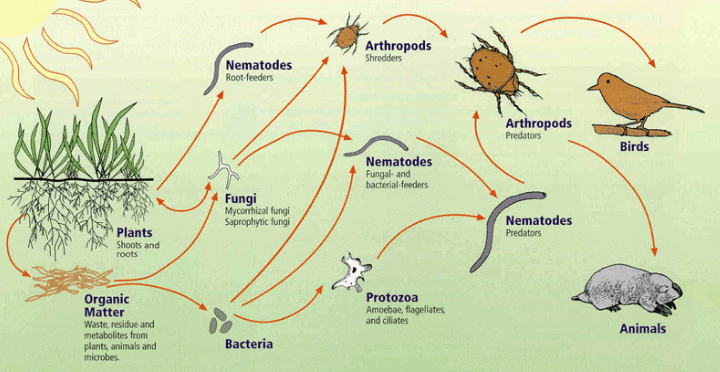
- Reduced disease pressure – Likewise, many plant pathogens and diseases are dormant in the cold months as well. Top-dressing your garden beds with good compost before planting helps introduce beneficial fungi, bacteria, and other microbes that help to further reduce or even eliminate disease pressure.
In short, just because it’s cold outside doesn’t mean there aren’t lots of edible plants that you can grow in your home garden – and you may even find that you like fall and winter gardening better than warm season gardening!
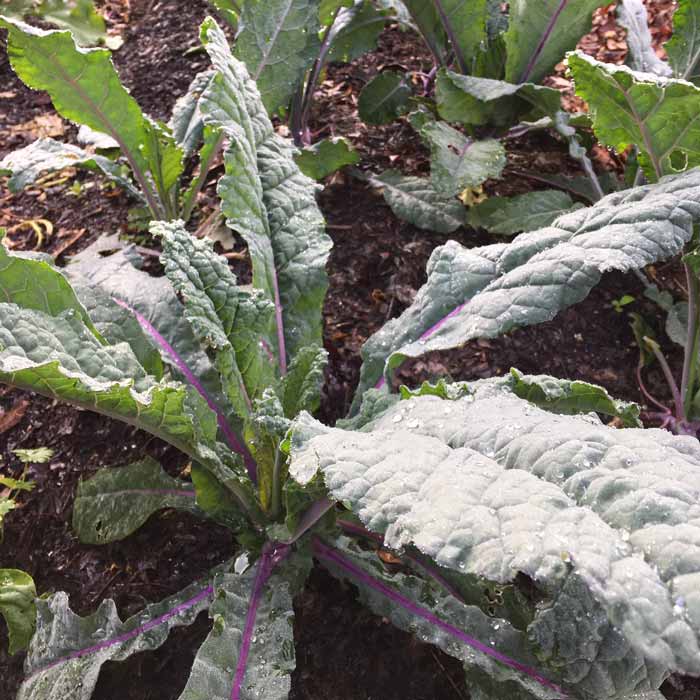
6 tips for fall and winter gardening success
Tip #1: Plan around your “Persephone Period.”
Temperature isn’t the only factor affecting plant growth during the fall and winter. Total daylight and night hours also trigger specific growth responses in plants. Your “Persephone Period” is the time of year when there are less than 10 hours of daylight per day. During this time window, your cold weather crops will stop growing. Thus, it’s best to get your crops in the ground months before your Persephone Period or immediately after as day length starts to exceed 10 hours. Depending on where you live, your Persephone Period will vary. Here in Greenville, SC, ours is December 8 – January 4. Johnny’s Seeds has an excellent article detailing how light levels impact different plants, if you want to take a deeper dive on this subject.

Tip #2: Consider using season-extension supplies and/or microclimates.
You can’t change the sun, but you can change the temperature your plants grow in. The three best ways (which can be used individually or in combination) to boost temperatures and plant growth during the fall and winter are:
- use plastic or fabric floating row cover for larger spaces;
- use cold frames for small spaces/single beds;
- grow in warmer microclimates, such as the sunny south-facing side of your house rather than the north-facing side.

Tip #3: Only select cold-hardy crops.
No, you won’t have success trying to grow tomatoes in your winter garden — unless you live in Miami. The first step to fall and winter gardening success is crop selection, aka selecting cold-tolerant crops. Good news: there are lots of cold-hardy vegetables to choose from. Thus, deciding what to grow is mainly a matter of your personal preference.
Tip #4: Carefully select varieties bred for hardiness.
Not all lettuce varieties are the same when it comes to cold-hardiness. Same with kale, chicory, and every other type of cool season crop. Some varieties have been carefully bred to maximize their cold-hardiness and these varieties will perform better than less cold hardy varieties in your fall garden and winter garden. So when selecting seedlings or seeds, pay careful attention to the description and relative hardiness of each variety. Some plant types and varieties may only be able to survive a frost while others can survive even a severe freeze. For reference, here’s what common cold weather garden terms mean:
- Frost: 36°F-32°F
- Light freeze: 32°F-29°F
- Hard freeze: 28°F-25°F
- Severe/killing freeze: 24°F or below
Tip #5. Grow a diversity of crops.
Grow a diversity of crops, not just one type of crop. We like to divide our cold tolerant crops into the following categories:
- leafy greens (for fresh eating)
- braised greens (for cooking)
- roots
- flowers and florets
- herbs
Benefits of crop diversity in your cold season garden:
- If one crop doesn’t perform well, something else likely will still produce a yield — and you’ll learn more about what grows best for you with each passing year. (Take notes each year!)
- You won’t get bored with what’s on your dinner plate.
- Reduced pest and disease pressure.
- You get more nutritional diversity, which translates to a broader range of nutrients.
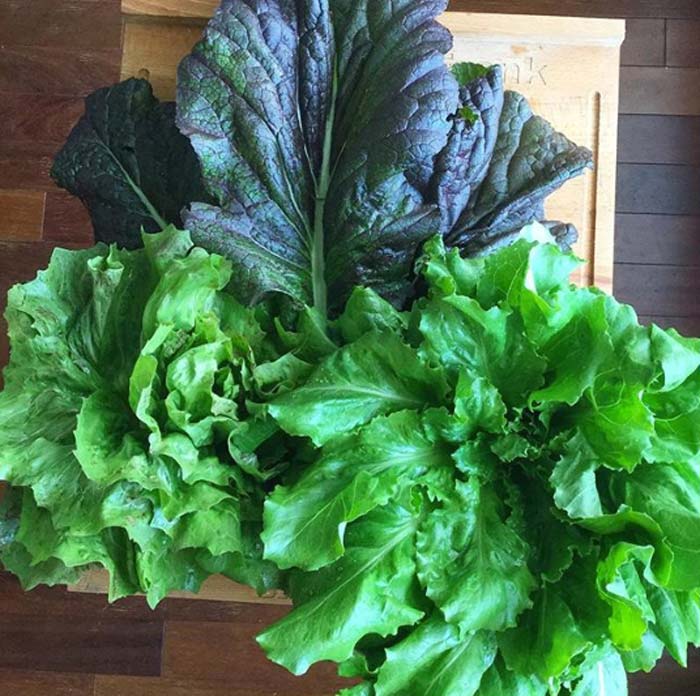
Tip #6. Use transplants rather than direct sowing if possible.
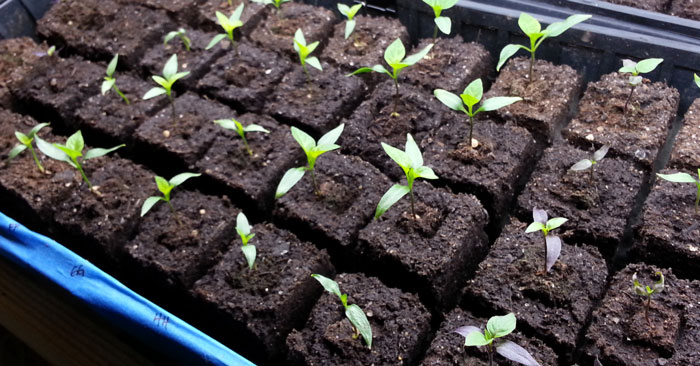
Whenever possible, we like to get a head start on the fall-winter gardening season by starting our seeds indoors in late summer then transplanting them outdoors as soon as we remove our summer crops. In fact, for the *majority of fall and winter crops, using transplants rather than direct-sowing your seeds will drastically improve your odds of success. *Exceptions: We direct sow peas and usually direct-sow root crops like carrots and beets as well. Growing healthy seedlings indoors requires a grow light system. Here’s how to make your own DIY grow lights.

20+ best edible plants for fall and winter gardening
Below are our recommendations for the easiest garden plants to grow in the fall and winter. To help you diversify your crop selection, we’ve divided our recommendations into the following categories:
- leafy greens,
- braised greens,
- root crops,
- flowers & florets, and
- herbs.
CATEGORY: LEAFY GREENS
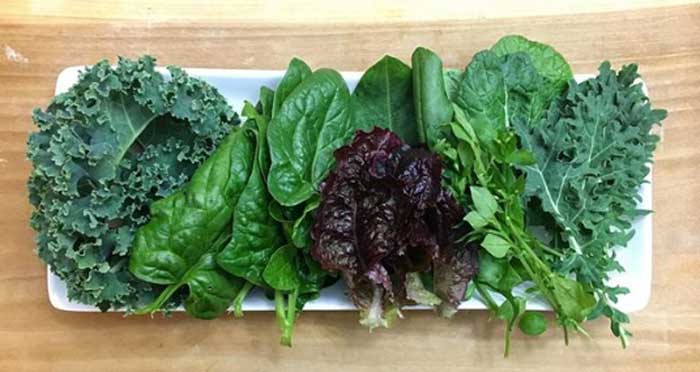
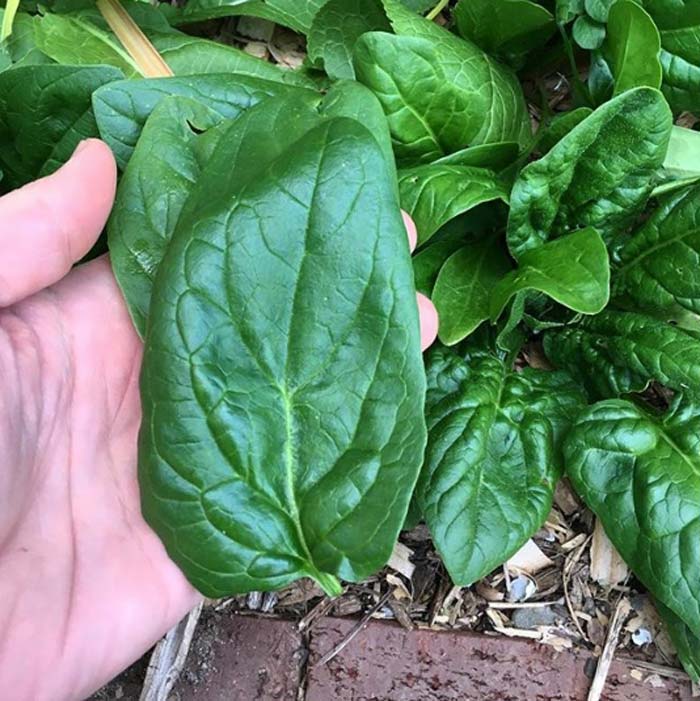
1. Spinach
Spinach is a very fast-growing, cool weather vegetable. We’ve had spinach survive uncovered down to single digits (although it stops putting on new growth at these temps). You can even plant spinach seeds in a pot near your kitchen door. Fill the pot with a good quality potting mix, and of course, be sure the pot has a good drainage hole in the bottom. Sauté that fresh spinach in a little butter or olive oil with diced garlic. Or eat it raw in spinach salad. The ideas for using fresh spinach are endless.
2. Kale
There are so many different and wonderful kale varieties, and our cold weather gardens are always loaded with kale. Some of the best cold-tolerant kale varieties we grow include:
- White Russian,
- Red Russian,
- Lacinato,
- Dazzling Blue,
- Blue Curled Scotch,
- Siberian,
- Winterbore.
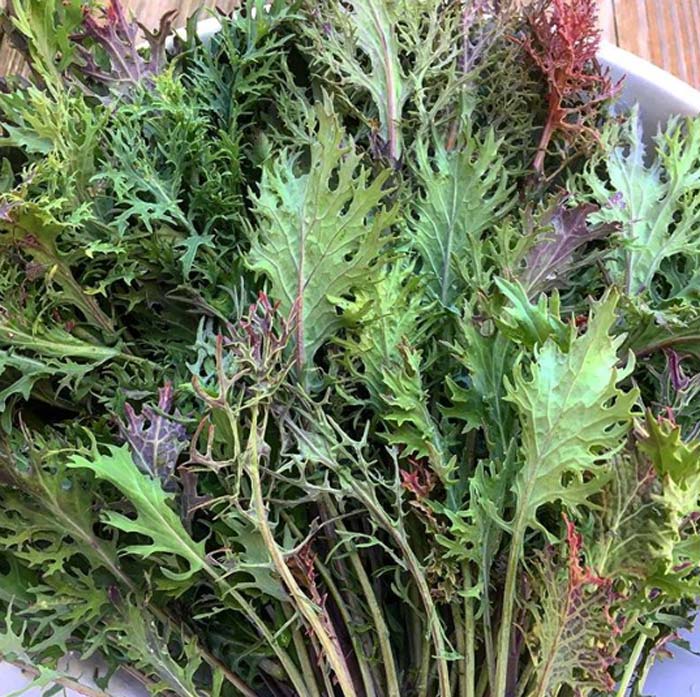
Kale may be the most reliable and productive of all winter vegetables we grow.
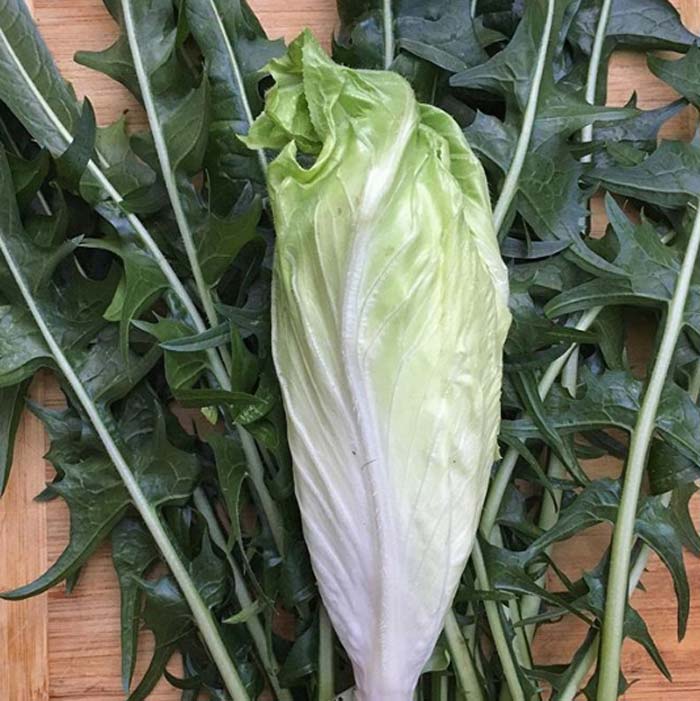
3, Chicory
A truly under-appreciated leafy green in the US, but very popular elsewhere in the world. Leaf bitterness varies by type and variety, but chicory generally tastes better in the cooler months than in warmer months. Some chicory varieties are cut-and-come-again greens grown for their frilly green leaves. Others are headed chicories wherein you harvest the entire plant all at once (similar to cabbage). Still others are grown for their edible roots. Chicory isn’t quite as cold-hardy as spinach and kale, but it’s still worth growing and a staple in our cool season gardens.
4. Lettuce
Lettuce is probably the least cold-hardy plant on the “leafy greens” list, but it will generally tolerate light frost. As with the other plants on this list, there are varieties of lettuce that have been bred to be more cold-hardy than others.
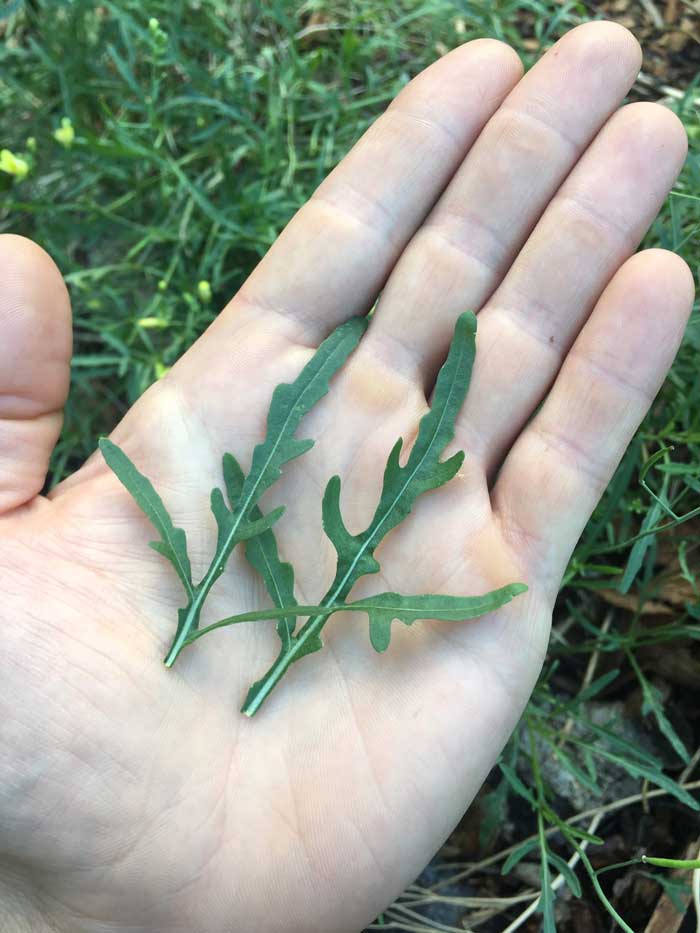
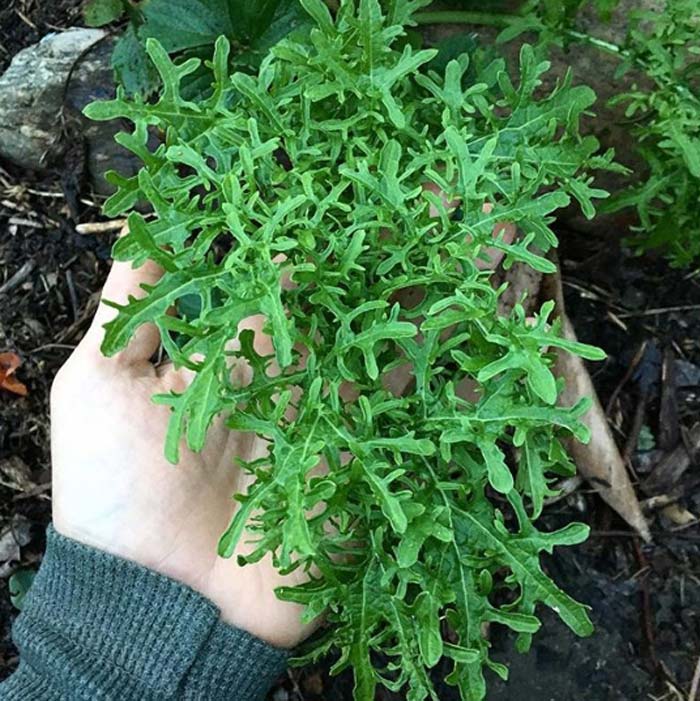
5. Arugula
Arugula is a spicy salad green that some people don’t care for, but we happen to love. We add it to cooked dishes (like lasagna). We also eat mounds of raw arugula in mixed green salads or by itself (this homemade vinaigrette dressing cuts arugula’s natural heat). ‘Astro’ is the most popular annual variety of arugula. We also love growing Sylvetta arugula, a low-maintenance perennial that will live for 3-5 years. Both types of arugula will burn back in deep freezes, but Sylvetta will grow back as soon as temps start warming in late winter-spring. Sylvetta does readily re-seed so be careful!
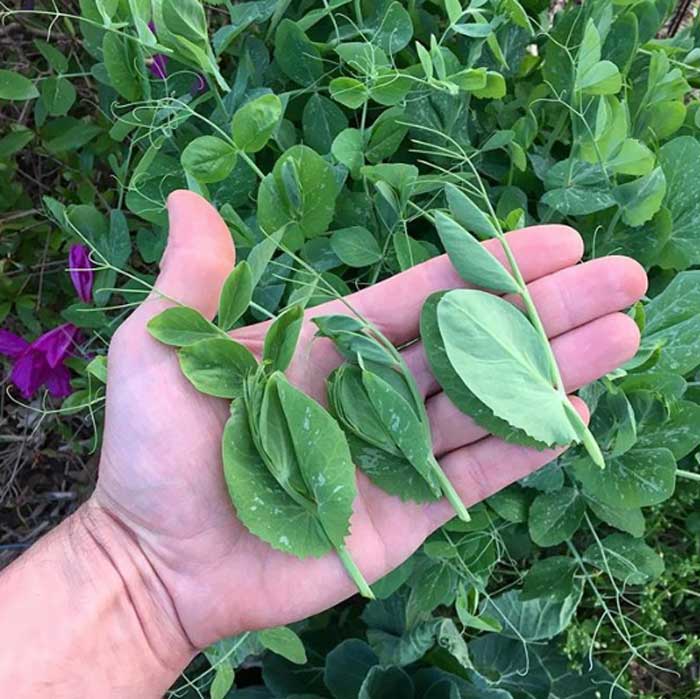
6. Pea greens
In our opinion, Austrian Winter pea greens should be grown in every winter garden. This variety is much more cold-hardy than other peas and its tender growth tips taste as good if not better than actual sugar pea pods. (See: How to grow and use Austrian winter peas) As the weather warms up in late winter and spring, the plant produces flowers and peas as well, but the peas are better for soup than fresh-eating, hence why it’s in the “leafy green” category. As you may know, pea plants are also nitrogen-fixing, making them an excellent cover crop to boost soil fertility.
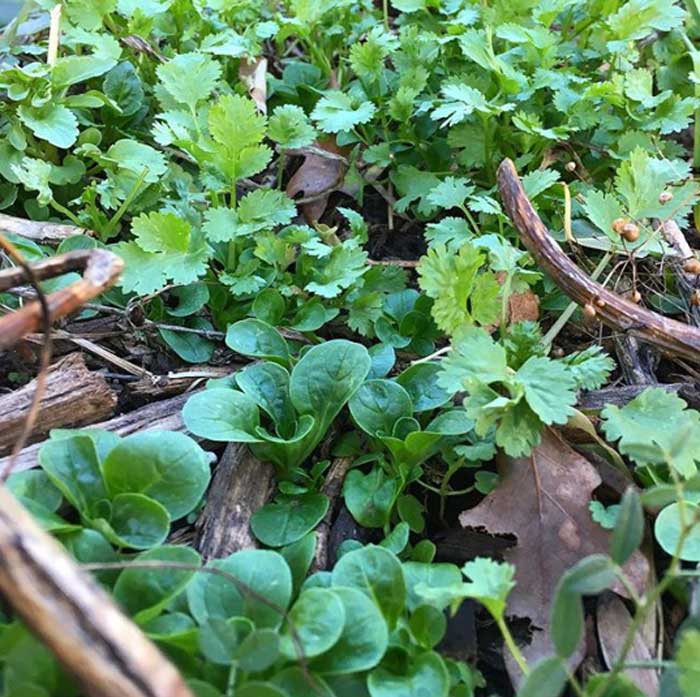
7. Mache aka corn salad
Don’t let its small size fool you: mache packs a big flavor. The small greens are richly flavored and delicious – almost nutty. In fact, if mache was a little larger in size it would probably be our favorite of all salad greens. In the spring, mache plants produce mounds of small white flowers which will be abuzz with pollinators.
8. Napa cabbage aka Chinese cabbage
Napa cabbage is one of our favorite cool weather crops to grow because we can grow heads in the fall-early winter and again in the late winter-early spring. Napa cabbage is not a true cabbage; it’s more closely related to mustard, but it’s very mild in flavor. We love to use Napa cabbage raw in slaws, wraps, and ferments (like kimchi). Green Napa cabbage is most common, but purple Napa cabbage is a gorgeous alternative.
CATEGORY: BRAISED GREENS
8. Collard greens
Collards are a winter staple here in the south. They’re also part of our region’s New Year’s tradition – southern folklore has it that eating collard greens will bring you financial luck in the new year. Send us a check if your collard greens boost your earnings!
9. Mustard Greens
Mustard greens might be a little too spicy for people to enjoy eating raw, but they’re amazing when properly braised or added to soups. They’re not as cold-hardy as collard greens, but they’re a bit more hardy than lettuce. Two of our personal favorites mustard greens are ‘Red Giant’ and ‘Golden Frills.’
10. Swiss chard
Chard is another popular braising green that thrives in cool weather. Chard dies back during freezes, but in moderate growing zones it will bounce right back and begin growing anew as the weather starts to warm in late winter through early spring. Our favorite chard varieties:
- Rainbow chard might be the prettiest cool weather crop of all.
- ‘Fordhook giant’ produces gigantic leaves with striking white stems.
11. Brussels sprouts
Brussels sprouts are hard to categorize – they’re not a fresh-eating green, but they’re not quite a braised green either. Regardless, we love eating them, and they are another cool weather crop you should consider growing. We usually buy organic Brussels sprouts from the store since they take a relatively long time to produce a yield compared to other options in this article.
12. Bok choy
Bok choy is a wonderful braising green that performs best in early fall and spring, not the winter months. A single mature head of bok choy is enough for a large batch of Asian-style soup.
CATEGORY: ROOT CROPS
*Notes on cooking root vegetables:
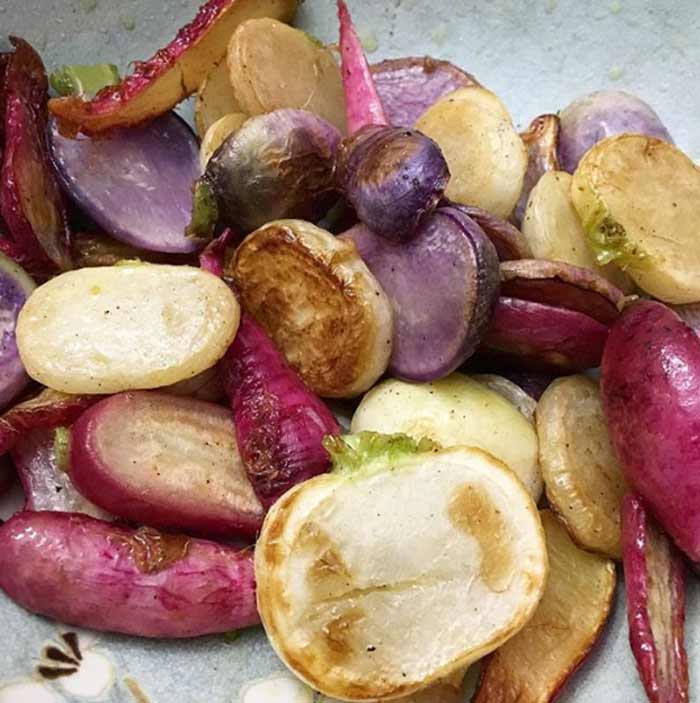
- Our favorite way to cook fall and winter roots is on a sheet pan. Rough chop the roots, put them in a bowl, then toss them with olive oil, salt, and garlic powder. Next roast them in a pre-heated oven on 375° until softened and slightly browned. We often use all four root crops listed below in the same batch of root veggies, often with the addition of bulb onions, garlic cloves, sweet potatoes and/or white potatoes. So good!
- Leaves of any of the root crops below can also be used as braised greens.
13. Carrots
Who isn’t familiar with carrots since they’re in every grocery store throughout the year? So why grow carrots? When you grow them in the cool months and eat them soon after harvesting from your garden, the flavor is so much better than what you get from a grocery store. You can also grow a wide color variety.
14. Parsnips
We think parsnips should have far greater popularity than they currently do. A close relative to carrots, but with a distinctive, sweet-earthy flavor that is divine. Only downside: they take longer to mature than carrots so you’ll need some patience.
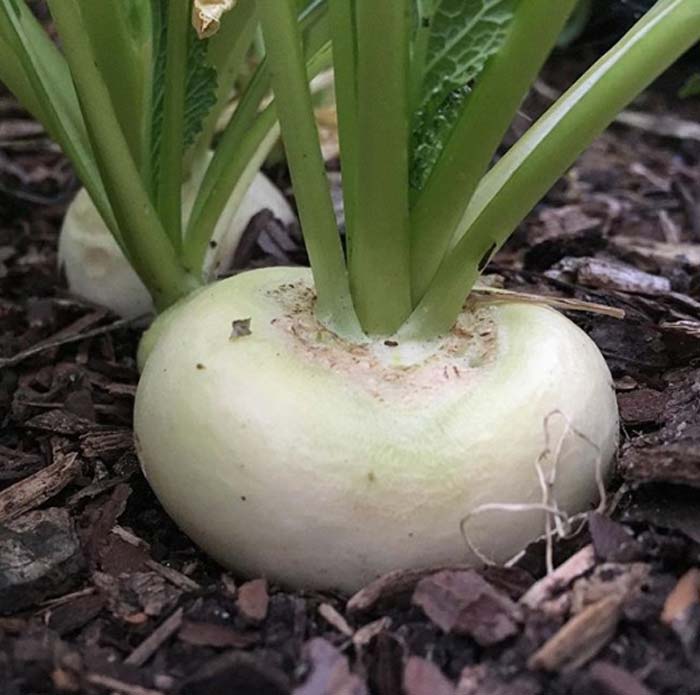
15. Turnips
Turnips are garden and farmers market staples for good reason. They’re easy to grow and fast growing, with some varieties yielding a harvest in as little as 30-45 days, which makes them an awesome choice for succession planting. Our personal favorite turnip variety is ‘Tokyo Market.’
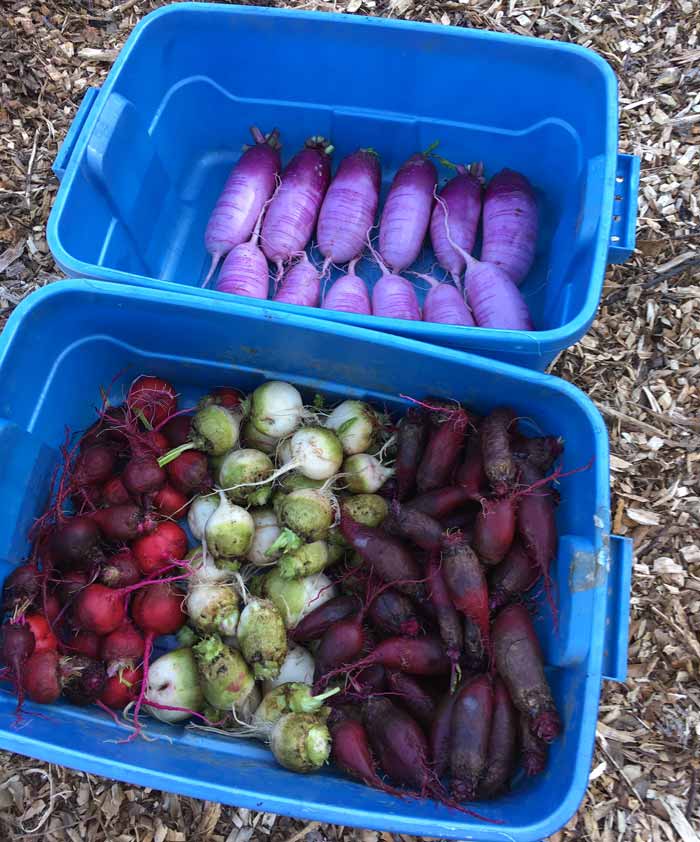
16. Radishes
Some people don’t like radishes due to their intense, spicy flavor. If this sounds like you, we’d recommend trying homegrown ‘Bravo’ radishes (Johnny’s Seeds) harvested during the cool months. They’re sweeter, less, spicy, crisp and delicious. As good as radishes get.
17. Beets
We love all beets: candy cane beets, red beets, gold beets, and anything in between. Genetically speaking, beets and chard are basically the same thing: beets are just bred to have enlarged roots and chard is bred to have larger leaves.
18. Rutabagas
Rutabagas are similar to a turnip, but with a more nuanced, sweeter flavor. Personally, we like them better than turnips from a flavor standpoint. However, as with carrots vs parsnips, rutabagas generally take much longer to mature than turnips (especially salad turnips).
CATEGORY: FLOWERS & FLORETS
19. Pansies and violas
Pansies are violas bred to be larger and showier. Pansies are a common winter landscape plant, but many people don’t realize they’re also an excellent edible. Pansy leaves have the texture and flavor of soft lettuce. The flowers have a velvety texture and the flavor of wintergreen.
20. Broccoli
Broccoli is a fantastic choice for cool weather gardening. Be adventurous and try different types like purple broccoli, Romanesco, or sprouting broccoli. Broccoli leaves are edible and quite delicious braised or raw. Don’t harvest too many of the leaves, however, as this will take away from the plants’ ability to put energy into forming florets.
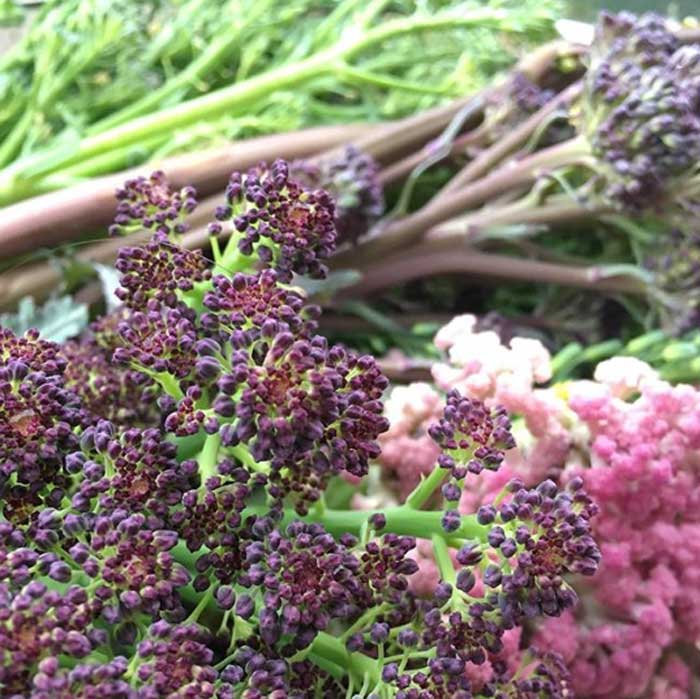
21. Cauliflower Cauliflower is broccoli’s sibling, and is an equally worthy candidate for your cool weather gardening. It also comes in a wide range of colors, from purple to orange. Cauliflower also produces good edible leaves. As with broccoli, don’t harvest too many of the leaves, or the plant will have less energy to form large florets.
CATEGORY: HERBS
22. Cilantro
Cilantro is often associated with summer and Latin American cuisine, but it actually thrives in cool/cold weather, not heat. We’ve actually had cilantro survive uncovered down into single digits. As with most plants, homegrown cilantro tastes so much better than store-bought! Another reason to grow cilantro: in spring, the plant starts going to bolt. “Green coriander” (the immature seeds) are a delicacy, offering floral-fruity notes. You can also leave the seeds to mature and turn brown, producing the spice called “coriander.”
23. Parsley
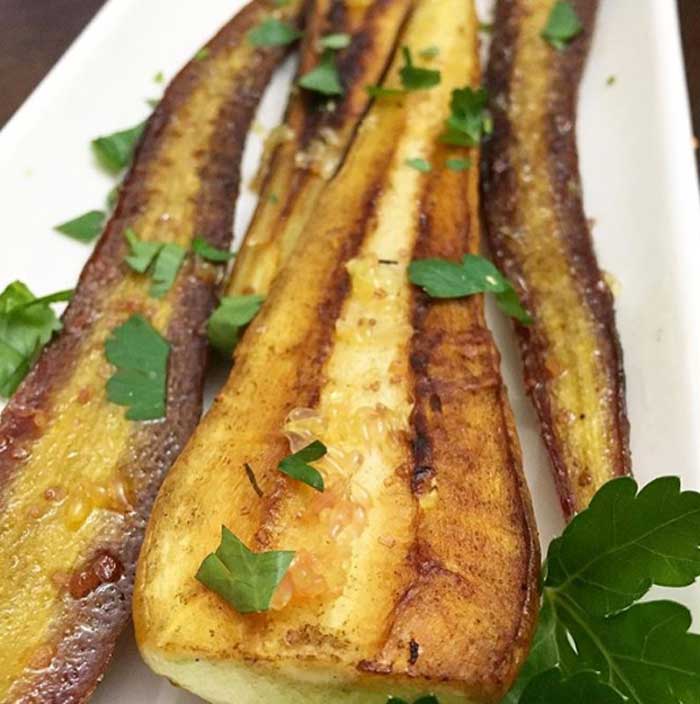
Parsley is another super cold-hardy plant that packs a load of flavor and nutrition. As with cilantro, our parsley patches keep trucking through single digit winter temps. Fresh parsley tastes so good we often eat it raw in the garden. A little-known parsley fact: some parsley has been bred to be a root crop, aka root parsley. Root parsley is like a cross between a carrot and parsley – utterly delicious and not something you’ll see in a grocery store!
24. Scallions / bunching onions / green onions
Despite their different names, these are all the same cold-hardy allium plant. It’s awfully nice being able to walk out your front door to snip fresh onion greens whenever you need them. Even if the greens die back to the ground during extreme cold weather, the bulbs will send up new shoots as soon as the ground thaws. Since we eat so many alliums, we always have perennial patches of these onion plants growing in containers and in our front beds for easy access.
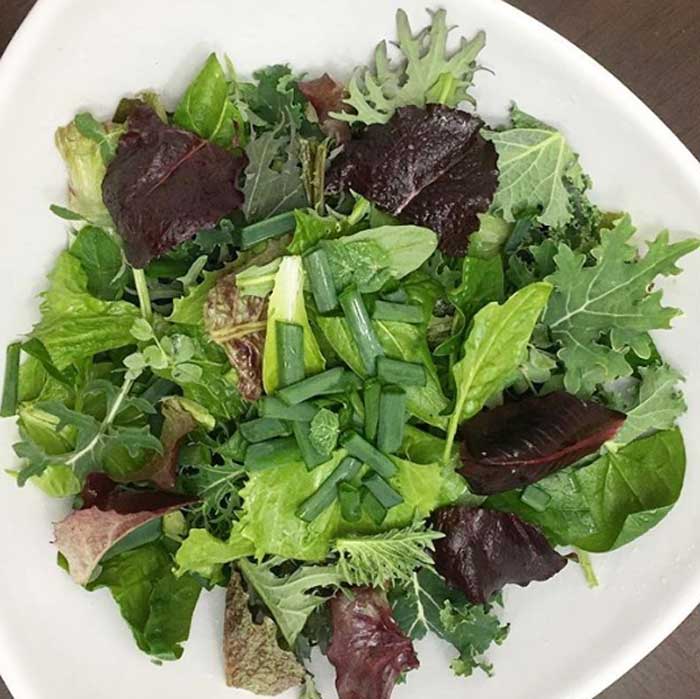
What can you make when you have a LOT of fall and winter garden crops to use up?
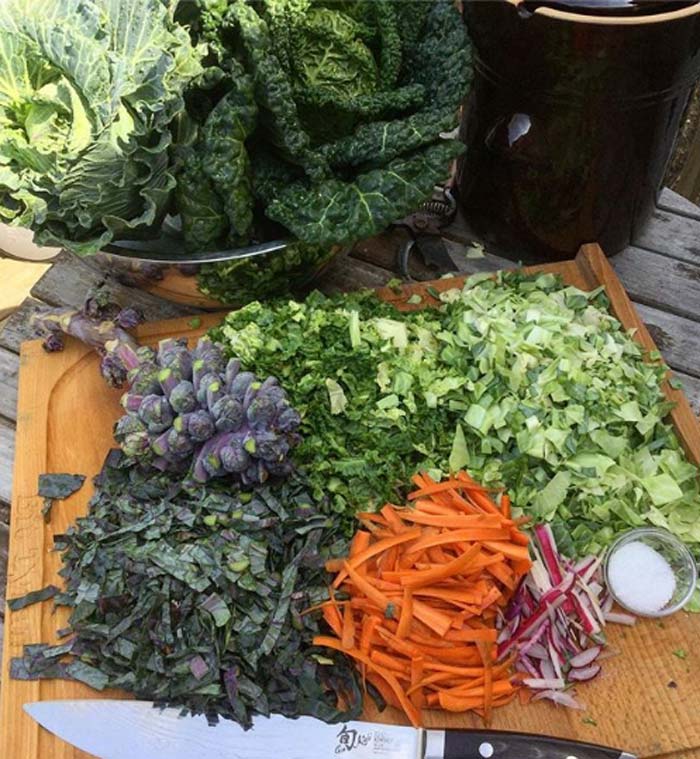
In late winter and early spring when your plants start rapidly growing, you might end up with more fresh vegetables (like brassicas and root crops) than you can possibly eat immediately. If so, we’d highly encourage you to learn how to make sauerkraut or related ferments. Not only is fermentation a great storage and preservation technique, it’s also incredibly good for you. We have a detailed beginner’s guide to making sauerkraut (with recipes) on our sister site, TyrantFarms.com!
We hope our list of the easiest garden plants to grow in the fall and winter helps you garden straight through the cold months. Happy gardening!



Hi there! I was wondering if you are using a cold box for your winter garden, or if your just planting them right out in the weather? I clicked this article’s link from the cold box article so I was assuming a cold box was involved, but the broccoli has ice on it in the picture.
Hi Jennie! The pictures in our articles are typically taken from our garden and also sometimes from Eliza’s garden (GJ’s education director). We all like to experiment with different growing methods and technologies, so the answer to your question is: it depends. Since we have a very large garden, cold frames (for us) are better for seed starts in the fall and winter. Then we transplant them out under row cover. We like both floating row cover and poly row cover, but prefer the breathable since it lets in rain water. Hope this helps!