
Should your small farm get certified organic?
As an Amazon Associate, GrowJourney earns from qualifying purchases. Read more: terms of service.
In this article, a small, non-organic regenerative farmer and an organic certification specialist weigh in on the pros and cons of organic certification to help you determine when (or if) your small farm should get certified organic. Even if you’re not a farmer, you’ll find the information they share interesting — and maybe be more discerning in where you source your food!
Let’s start with a quick introduction of the two most qualified people we know to discuss the pros and cons of becoming a certified organic farm:
Chris Miller, small regenerative farmer
Chris Miller is the owner and operator of Horseshoe Farm in Travelers Rest, SC. Horseshoe is presently NOT certified organic even though the growing methods Chris utilizes exceed organic certification criteria.

Chris has over a decade of farming experience on certified organic and non-organic farms around the country. Despite its small footprint, Horseshoe Farm produces an incredible quantity and diversity of food per acre utilizing intensive, “beyond organic” regenerative practices.
For Chris, “beyond organic” primarily means:
- minimum tillage to boost soil health/microbial life (plenty of organic farms still use standard tillage practices); and
- never applying any pesticides (many certified organic farms use non-synthetic, OMRI-approved pesticides).
Ryan Merck, organic certifier and nurseryman
Ryan Merck is a Senior Farm Certification Specialist at CCOF, an international non-profit comprised of organic farmers, producers, certification agents, and others who advocate on behalf of organic policies. In his role at CCOF (and previously as a certifier with Clemson University DPI), Ryan has overseen countless farmers and producers seeking to obtain and maintain organic certification status.
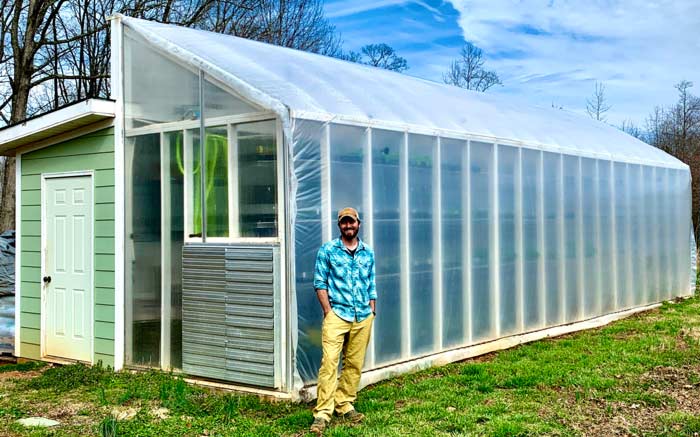
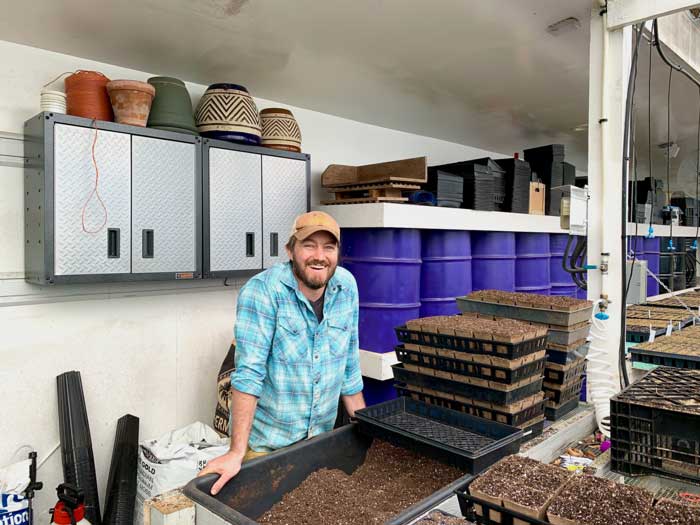
On the side, Ryan also operates a nursery business, Blue Oak Horticulture, in Taylors, SC. His large, DIY passive solar greenhouse (which we’ve previously featured) is the stuff of legend.
Should your small farm get certified organic?
If you’re trying to figure out if, when, or how to get organic certification for your small farm, Chris and Ryan provide valuable insights. Here’s what they have to say on the topic:
To Chris: Why isn’t your small farm certified organic even though you utilize organic growing methods?
There are a few reasons we’re not certified organic. If I could sum it up in a single sentence, it’s because there’s not really a financial upside for me right now and being certified would require more time and paperwork for me to keep up with throughout the year — and I’m always struggling for time!
My situation isn’t true for every small farm and farmer though. Horseshoe Farm offers a wide diversity of crops direct-to-consumer (via CSA and farmers markets) and direct to local restaurants.
Since there’s no middlemen between me and my customers, that means my customers know me. They know where I stand on things and that I’m producing food that meets organic standards or beyond, even though I’m not third-party certified. They can and do come to my farm if they ever want to see how I do things.
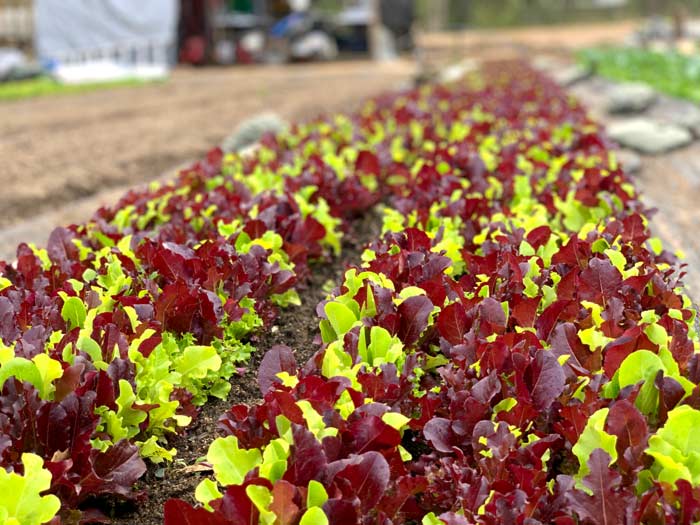
So it comes down to relationships and trust. If I got certified organic, I’d still probably be charging about the same rates for my produce, so there’s not currently a financial incentive for me. Since being certified organic requires a lot of record keeping which I don’t currently have to do, there’s also a time disincentive.
That being said, if I was NOT face-to-face with my customers or I was selling wholesale, then that relationship and trust with the end consumer of my crops wouldn’t be there and I’d be financially penalized for not being certified organic. In that case, it would make sense for me to get certified organic, since that certification rightfully and understandably means something to people shopping at grocery stores who don’t otherwise have much information to go on as far as how the food was grown.
Heck, when I go shopping at a store, I buy certified organic produce! If you don’t know your farmer, that certification is the next best thing.
In short, if you’re a small farmer trying to decide whether to be certified organic, ask yourself three questions:
- Will getting certified organic increase the prices you charge and/or your margins?
- Is your farm’s paperwork in order (recordkeeping, systems plan, etc)?
- Are you planning to sell wholesale in the near future where it makes sense to go ahead and start the organic certification process now, or will you still be face-to-face with your customers for the foreseeable future?
My answers to those three questions means Horseshoe won’t be getting certified organic in the foreseeable future even though I respect and approve of what that label means.
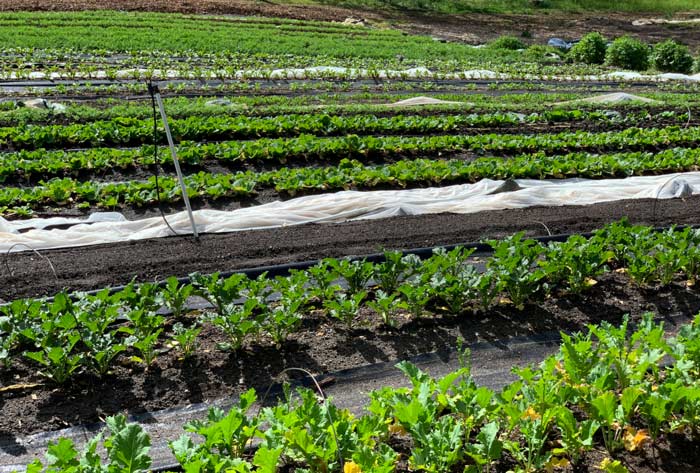
To Ryan: What do you say to small farmers when they ask you whether it makes sense for them to get certified organic?
The first thing I often have to do is address a lot of confusion and misinformation about how much it costs to get certified organic. That’s because many farmers think that the process of getting certified organic is prohibitively expensive.
Especially for small farms, the reality is it might only cost them a relatively small amount of money to get certified and they’ll then be able to charge more for their produce and be a much more profitable operation after getting certified.
How much does it cost to get your farm certified organic?
There isn’t a single answer to the question, “how much does it cost to become a certified organic farm?”
The answer is going to vary by farm depending on:
- What certification agency you use, since fees and prices can vary by agency. Many people don’t realize that the USDA does not directly certify farms as organic, it accredits certification agencies around the country which then certify farms and other operations.
- What percent of the farm’s annual certification fee is reimbursable by the USDA organic cost share program (up to 50% or $500 whichever is less depending on the farm).
- What your annual renewal fees will be, which will vary based on your gross annual organic sales.
The National Organic Program (NOP) is very financially friendly to small farms, so many small farmers are often pleasantly surprised when they do a cost-benefit analysis of getting certified.
To Ryan: When do you think it makes sense for a small farm to get certified organic?
When a farmer asks me if they should get certified organic, I first start by asking more questions about their farming operation. If they’re:
- an established farm that’s already operating using organic growing methods,
- they have gross annual sales over $100,000, and
- they’re leaning more towards wholesale versus retail sales where they’re not face-to-face with their customers,
then they’re likely going to see a significant financial benefit from getting certified organic. As a side note, I also plan to get my nursery business certified organic through Clemson next year if things go well this year.
No prohibited substances for three years…
Another important point is that to be certified organic, your farm can’t have used prohibited substances (non-approved pesticides and fertilizers) for three years prior to organic certification. So for many farms, there’s a multi-year transition process that has to take place before they can officially be certified even if they’re utilizing some organic practices right now.
For any farmers looking to learn more about what they need to do to get their operation certified organic, CCOF has a really helpful overview and checklist to take the guesswork out of it.
At CCOF, we can now also certify farms under the new Regenerative Organic Certified™ label in partnership with the Regenerative Organic Alliance (ROA). This certification represents the highest standard for organic agriculture in the world, and I think we’re going to start seeing a lot more consumer demand for food produced under these high standards.
Hopefully, increased consumer demand will translate to more farmers coming on board and utilizing regenerative practices, even if they’re not at the point where official certification makes sense for their operation.
Certification provides a universal standard that shoppers can instantly see, recognize, and trust. But ultimately what matters is what’s actually happening on the farm. Without a label, that means interested consumers have to know and trust their farmer.
Thanks for reading!
Whether you’re a small farmer trying to determine whether you should get your operation certified organic or you’re someone interested learning more about where your food comes from, we hope you found this article helpful!
Read more articles in our Small Farm series:
- Small farm series intro: what is a small, regenerative farm?
- 15 tips to start a small farm using regenerative practices
- Small farmer choice: CSA vs farmers market vs wholesale
- How to build your own DIY passive solar greenhouse
- What tools and infrastructure does your small farm need to succeed?
- How to create the perfect farmers’ market display: a behind the scenes look
- Organic weed control: how-to with farmer Chris Miller
And subscribe to our email list (below) to get new articles delivered to your inbox!